
Diplomatic pouch and environmental aspects of pouch use
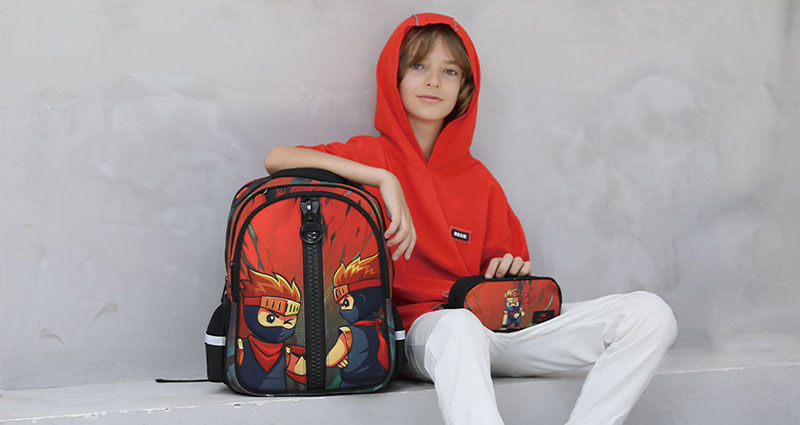
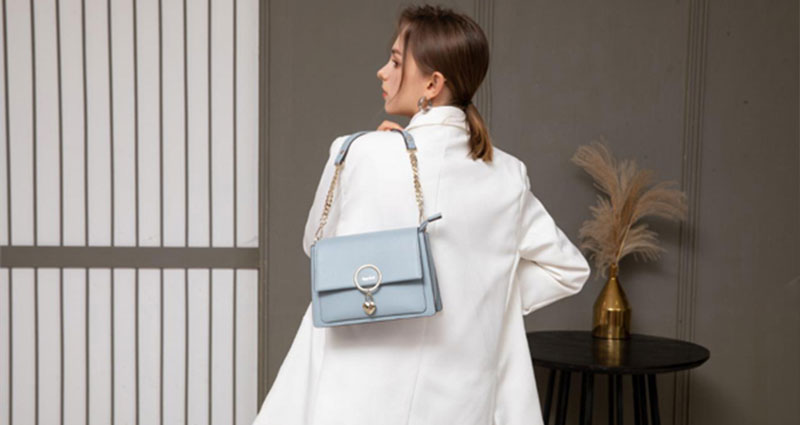
In the modern world, bags are ubiquitous, with many people routinely carrying a variety of them in the form of canvas or leather bags, handbags, backpacks, and backpacks made of disposable materials such as paper or plastic.
Bags are commonly used for shopping and carrying groceries home.
The bag may be resealable by a zipper, fastener, etc., or simply by folding it (eg in the case of a paper bag).
Sometimes the purse or suitcase has a lock.
The bag likely preceded the inflexible shape, and baskets and bags usually had the added advantage over baskets of being collapsible or compressible into smaller sizes. On the other hand, baskets, which are made of a more solid material, may better protect their contents.
The empty bag may or may not be too light and foldable into a small size.
If so, it is convenient to move it to where it is needed, such as a store, and to store the empty bags. Bags range from small bags, such as purses, to large bags for use in travel such as a suitcase. Clothes pockets are also a kind of pouch, built into the clothes to hold the appropriate small items.
Perhaps this is what everyone knows about the shape and description of the bags, but have you heard about the diplomatic bag?
Diplomatic bag:
Diplomatic bag A bag with some legal protection used to carry official correspondence or other things between a diplomatic mission and the government of its country or any other diplomatic, consular or official entity.
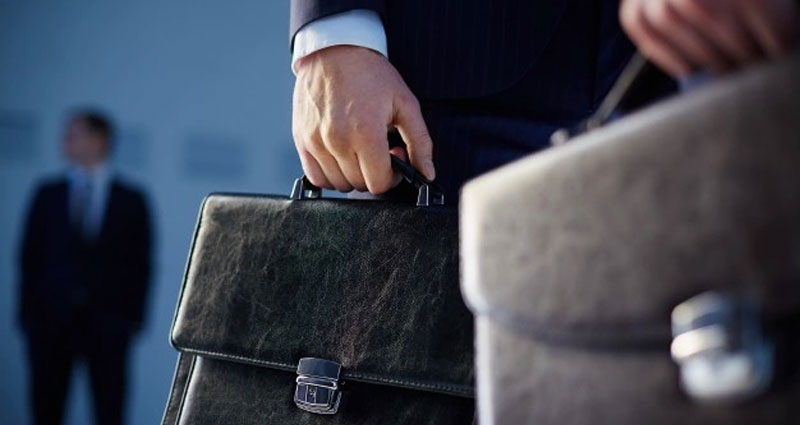
The physical concept of a "diplomatic bag" is flexible and therefore can take many forms (for example, a cardboard box, a briefcase, a duffel bag, a large suitcase, a box or even a shipping container).
In addition, a diplomatic pouch usually has some form of tamper-proof padlock or clear seal to deter or detect interference by unauthorized third parties.
The most important point is that as long as it is externally marked to show its status, the "Pouch" has diplomatic immunity from search or confiscation as codified in Article 27 of the 1961 Vienna Convention on Diplomatic Relations.
It may only contain items intended for official use, although there have been many cases where diplomatic pouch privileges have been used to facilitate smuggling. Bags are often escorted by a diplomatic courier who also enjoys immunity from arrest and detention.
Environmental aspects of using bags
There are environmental concerns related to the use and disposal of plastic shopping bags and garbage, so efforts are being made to control and reduce their use in some EU countries, including Ireland and the Netherlands.
In some cases, cheap bags are taxed, so the customer must pay a fee he or she hasn't done before.
Heavy-duty reusable plastic and cloth bags are sometimes sold, usually costing from €0.50 to €1, and these bags may completely replace single-use bags.
Sometimes free replacements are offered when the bag wears out. The UK has charged 5p per plastic bag in supermarkets since 2015. This trend has spread to some cities in the US.
From the foregoing, we conclude that the world today pays great attention to the manufacture of bags of various types in search of comfort, health and elegance without neglecting their importance in maintaining a healthy environment.